


Get your free quote today
Downhole Pump Troubleshooting
Pump problems are one of the leading causes of production loss. WES uses field-proven diagnostic tools—acoustic readings, pump-cards, and surface evaluations—to identify valve failures, plunger sticking, barrel wear, pump spacing issues, gas interference, and intake-related problems that affect pump efficiency. You get a clear understanding of what the pump is doing and the steps needed to restore proper operation.
What We Measure
- Traveling and standing valve function
- Valve leakage, wear, or sticking
- Plunger movement and compression strength
- Pump-barrel wear or damage
- Pump tagging or spacing issues
- Gas interference or gas-lock indicators
- Fillage and stroke consistency
Our Process
- On-site inspection of pumping-unit motion
- Acoustic fluid-level shot to verify well conditions
- Pump-card capture and interpretation
- Evaluation of valve movement & plunger action
- Analysis of intake and compression behavior
- Clear, written report with next-step actions
When to Call WES
- Reduced production or erratic fillage
- Signs of gas-lock or gas interference
- Suspected valve, plunger, or barrel issues
- Pump “thumping,” tagging, or inconsistent strokes
Deliverables
- Annotated pump-card data
- Acoustic screenshots or PDF
- Identified root causes
- Recommended corrective actions
Work Process
01
Consultation & Planning
Shaping the foundation of success
Share well details and objectives. We confirm access, choose the right tests (fluid-level, dyno, SBHP), and schedule your field visit.
02
Field Diagnostics
Turning data into clarity
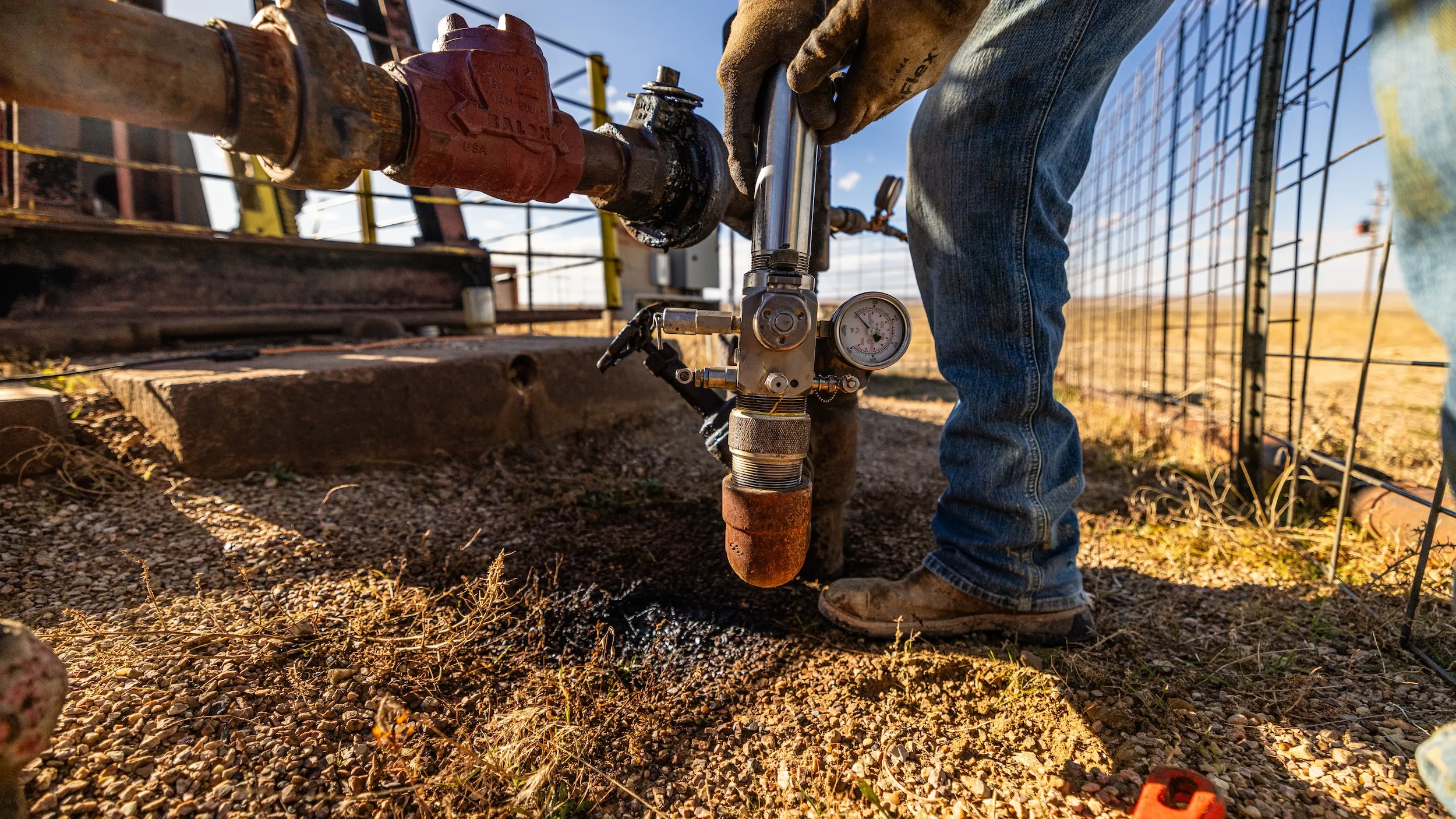
On site, we run Echometer® shots, capture pump-cards, and conduct SBHP as needed—documenting conditions, traces, and readings.
03
Report & Follow-Up
Committed to measurable improvement
Receive a clear report (often same day) with annotated traces/cards, findings, and prioritized next steps. We can help implement tunes and set a surveillance cadence.




Copyright © Well Energy Services