


Get your free quote today
Rod & Tubing Diagnostics
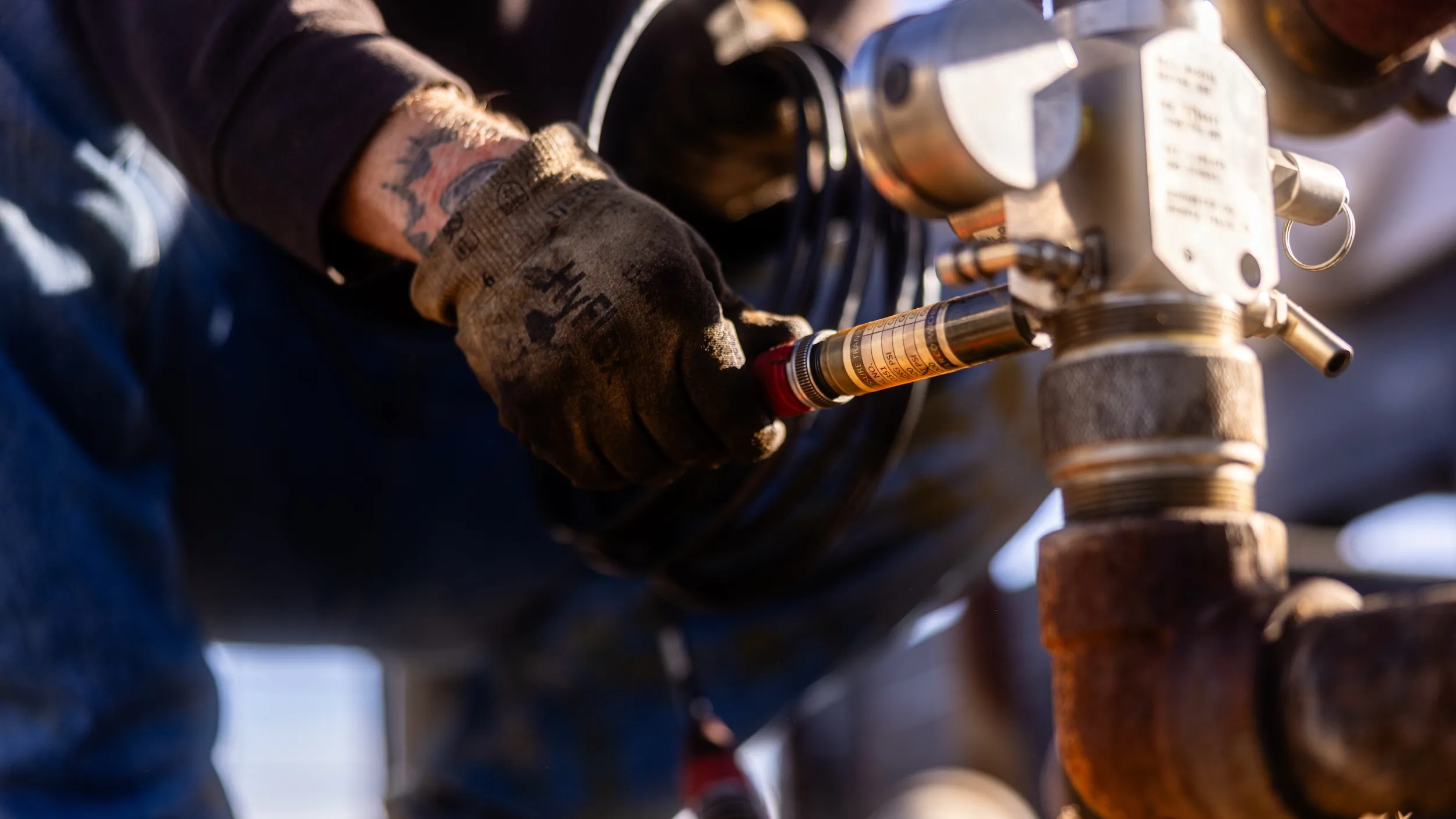
Rod and tubing problems are among the most common causes of reduced production and premature equipment failure. WES uses proven diagnostic methods to locate rod stretch, tubing leaks, parted rods, spacing issues, and gas-related problems that impact pump performance.
What We Measure
- Rod stretch & rod-string behavior
- Parted/separated rods
- Rod buoyancy & rod-lift efficiency
- Tubing anchors & tubing movement
- Tubing leaks / casing leaks
- Slippage or pump-stroke loss
Our Process
- Surface inspection of pumping unit & behavior
- Fluid-level shot to verify downhole conditions
- Pump-card analysis for rod-string loading
- Leak, spacing, and alignment assessment
- Clear, written report with recommendations
When to Call WES
- Sudden production loss
- Signs of tubing leak, casing leak, or stretch
- Erratic pump fillage or inconsistent strokes
- Suspected rod failure or spacing issues
Deliverables
- Diagnostic findings (PDF or screenshots)
- Rod & tubing condition summary
- Identified causes of inefficiency
- Prioritized next-step recommendations
Work Process
01
Consultation & Planning
Shaping the foundation of success
Share well details and objectives. We confirm access, choose the right tests (fluid-level, dyno, SBHP), and schedule your field visit.
02
Field Diagnostics
Turning data into clarity
On site, we run Echometer® shots, capture pump-cards, and conduct SBHP as needed—documenting conditions, traces, and readings.
03
Report & Follow-Up
Committed to measurable improvement
Receive a clear report (often same day) with annotated traces/cards, findings, and prioritized next steps. We can help implement tunes and set a surveillance cadence.




Copyright © Well Energy Services