


Feb 26, 2026
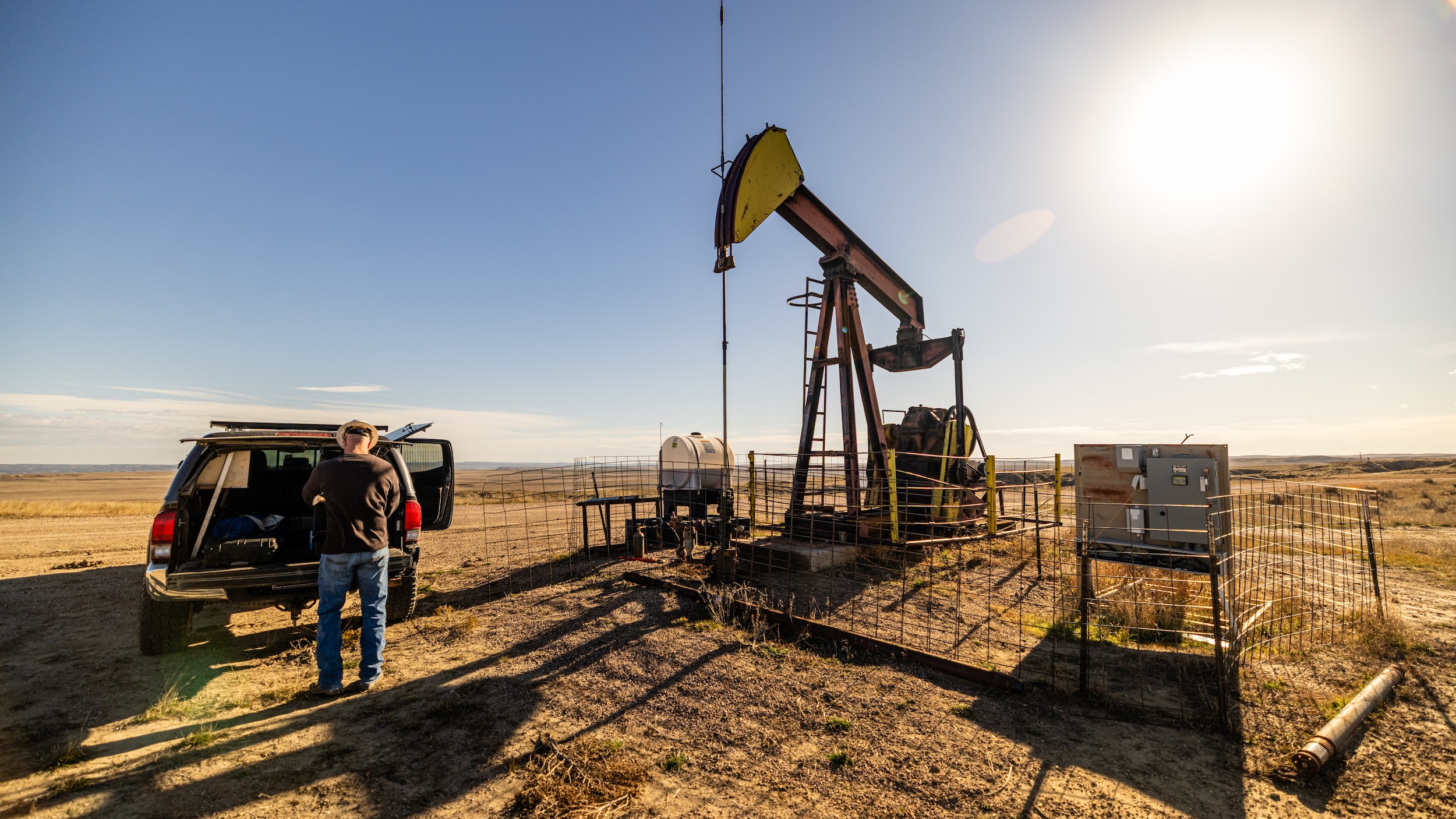
Artificial lift is the backbone of modern oil production, but no single lift system works for every well. Rod lift, ESPs, PCPs, and tubing pumps all have strengths and limitations depending on reservoir pressure, fluid type, gas interference, and well depth. Understanding how each system performs under specific conditions helps operators maximize production while minimizing failure rates and operating costs.
Why Artificial Lift Selection Matters
Choosing the wrong lift system can lead to unnecessary failures, costly workovers, poor production rates, and constant maintenance issues. On the other hand, choosing the right system—based on reservoir pressure, fluid properties, gas behavior, and well depth—can optimize performance and extend equipment life.
Your lift system should work with the well’s natural behavior, not fight against it.
The Most Common Artificial Lift Systems (And When to Use Them)
1. Rod Lift (Sucker Rod Pumping)
Rod lift is one of the most common lift methods because it’s reliable, easy to maintain, and effective in wells with moderate depths and a mix of oil, water, and gas.
Best When Used In:
- Shallow to moderate well depths
- Low to medium fluid volumes
- Wells with some gas production
- Applications requiring low lifting cost
Rod lift is also ideal for wells that need frequent diagnostics since pump-cards and fluid-level shots provide clear performance data.
2. ESP (Electric Submersible Pump)
ESPs are built for high-volume wells where significant horsepower is needed. They excel at lifting large amounts of fluid quickly, but they are sensitive to gas and solids.
Best When Used In:
- High-volume production wells
- Deep wells requiring high horsepower
- Wells with low gas interference
- Applications where rapid drawdown is needed
While ESPs can be extremely efficient, they require stable conditions and careful monitoring.
3. PCP (Progressing Cavity Pump)
PCPs are designed for wells with heavy, viscous fluids or production containing solids. Their flexible design allows them to handle thicker oils that other systems struggle with.
Best When Used In:
- Heavy-oil applications
- Wells with sand or solids
- Moderate depths
- Reservoirs prone to gas slugs
[Paragraph]
Because PCPs rotate instead of stroke, they often handle abrasive environments better than rod-lift systems.
4. Tubing Pumps & Insert Pumps
Tubing and insert pumps are common in rod-lift wells where downhole accessibility is important. Insert pumps can be pulled without removing the tubing, making them a cost-effective option for high-maintenance wells.
Best When Used In:
- Wells needing frequent pump checks
- Moderate production rates
- Rod-lift wells requiring flexible maintenance
- Wells with mild gas or moderate depth
Key Factors That Determine the Right Lift System
Reservoir Pressure & Bottom-Hole Conditions
High-pressure wells may favor ESPs or PCPs for large drawdowns, while low-pressure wells often work better with rod lift and tubing pumps that maintain gentle intake behavior.
Fluid Type & Viscosity
- Heavy oil → PCP
- Light oil → Rod lift or ESP
- High solids → PCP
- High gas content → Rod lift or tubing pump
Well Depth & Deviation
Deeper wells often require ESPs, while shallower or moderately deep wells typically match well with rod-lift systems.
Production Volume Targets
- High rate production → ESP
- Steady, moderate production → Rod lift
- Sand or solids → PCP
Operational & Maintenance Costs
Choosing the cheapest lift system upfront can become the most expensive option over time. The best system is the one that minimizes long-term workovers and maximizes uptime.
How Diagnostics Help Select the Right Lift System
Fluid-level tests, pump-card readings, inflow analysis, and intake pressure evaluations provide essential data for choosing or adjusting a lift system. Diagnostics reveal how the reservoir behaves, how much fluid is available, and whether the current lift method is properly matched.
Before switching lift systems or adjusting equipment, operators benefit greatly from a full diagnostic evaluation.
Final Thoughts
There’s no one-size-fits-all artificial lift solution. Every well has its own pressure behavior, fluid composition, and mechanical challenges. By understanding the strengths of each lift system and evaluating your well’s specific conditions, you can select the method that delivers the best performance with the least downtime.
Making the right choice today protects your production tomorrow.



Dec 1, 2025
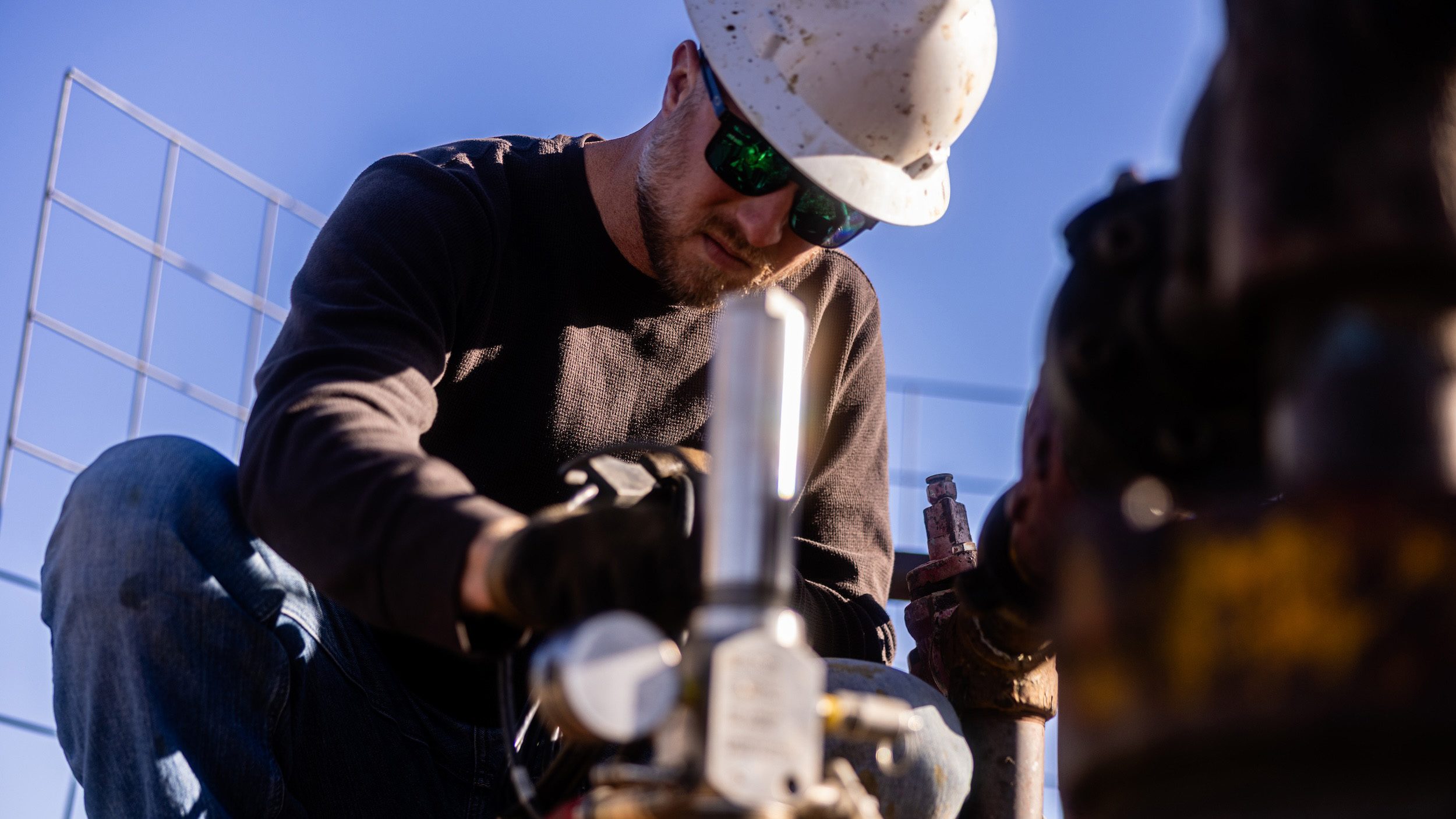
Many pump problems can be diagnosed without pulling rods or tubing. With the right surface-level diagnostics, operators can identify valve failures, plunger issues, gas interference, and spacing problems quickly and accurately.


Dec 1, 2025
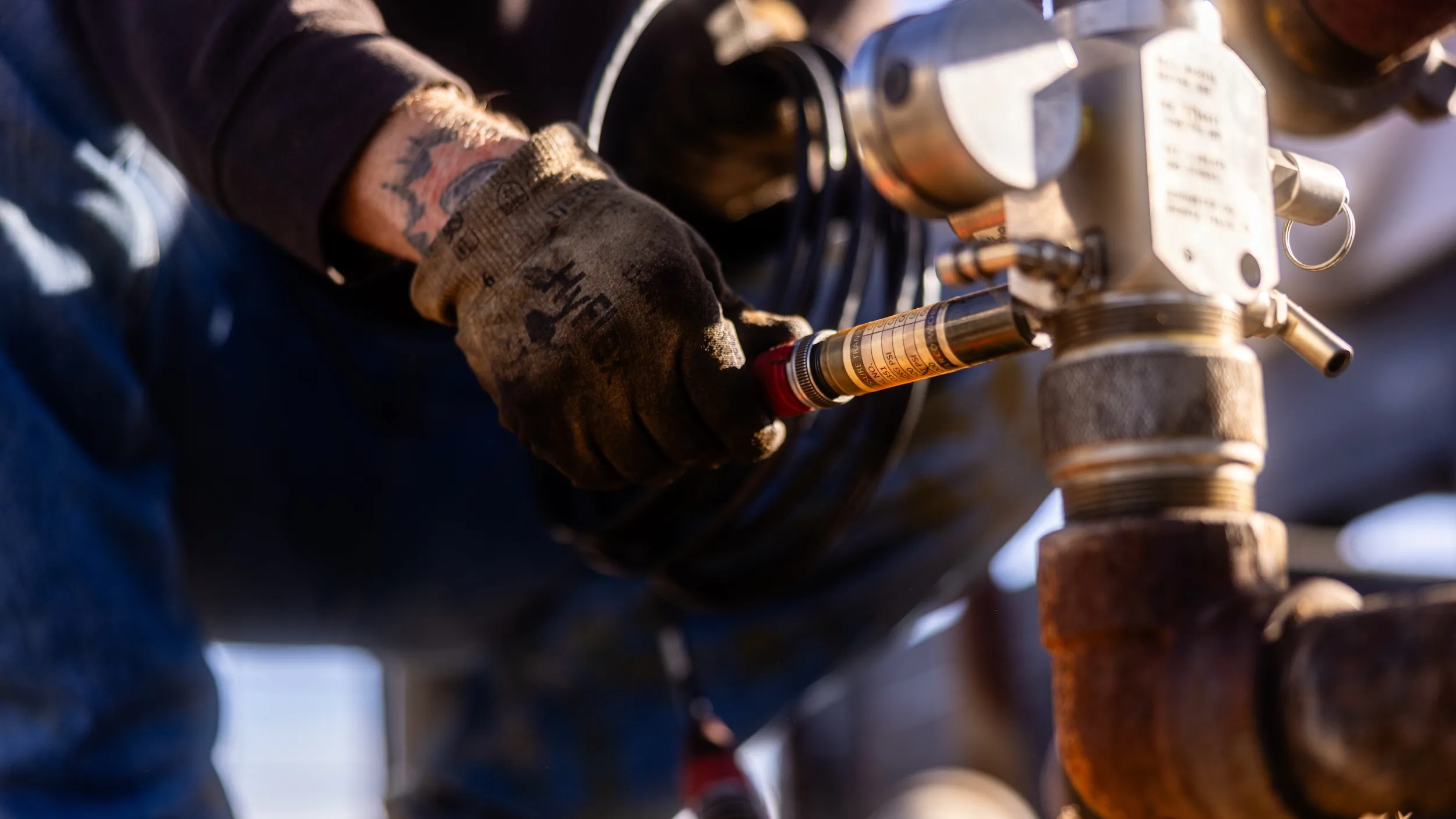
Rod and tubing issues often start small but quickly turn into costly failures. Knowing the early warning signs can help you prevent downtime, protect equipment, and keep production steady.



Who We Are
About
Services


WEC Connection
Copyright © Well Energy Services