


Dec 1, 2025
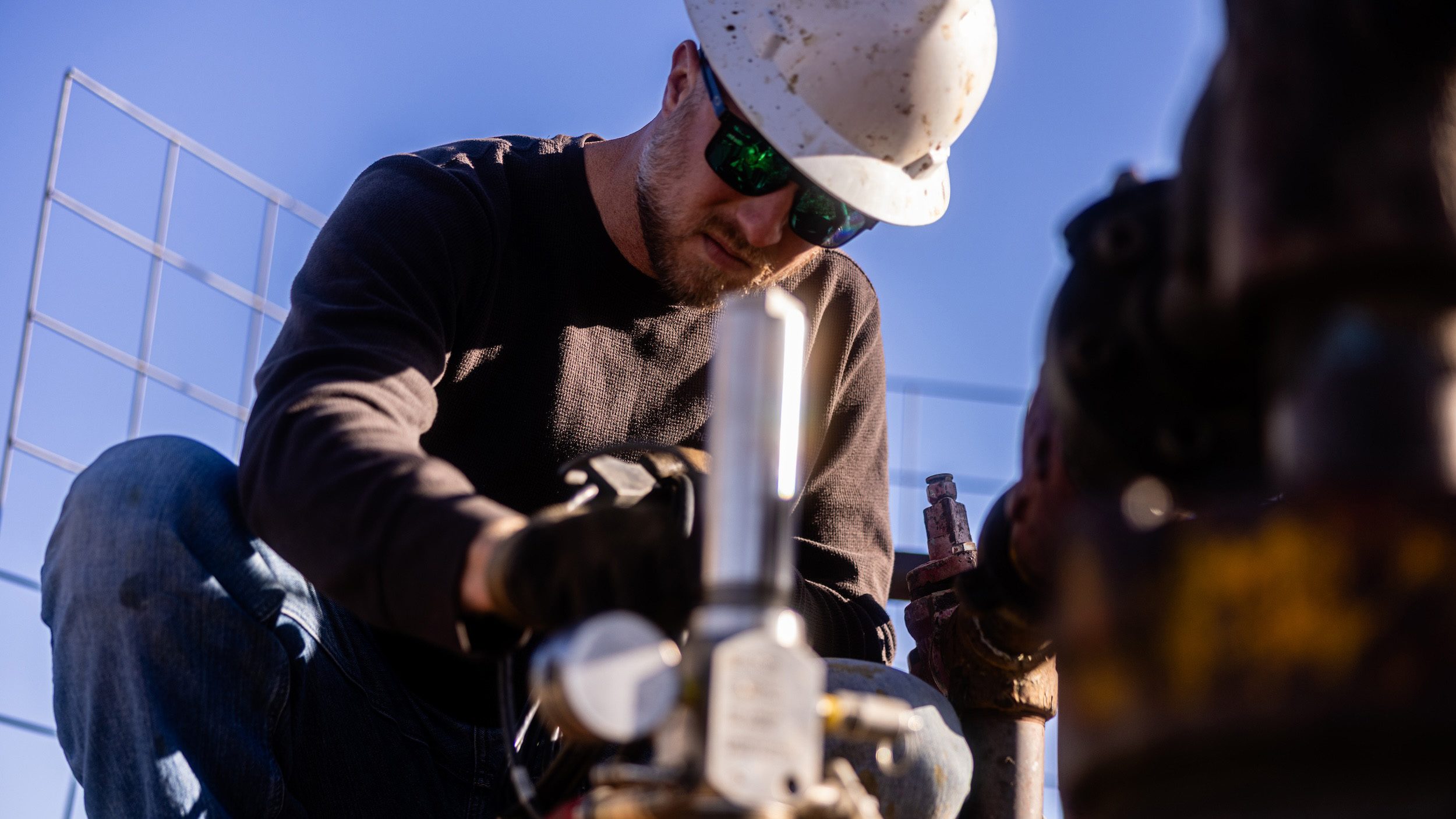
Pulling a well is expensive, time-consuming, and often unnecessary. Today’s diagnostic tools—fluid-level shots, pump-card analysis, motion evaluation, and surface inspection—allow operators to understand what’s happening inside the pump before committing to a workover. By diagnosing pump performance from the surface, you can make informed decisions, reduce downtime, and protect your equipment.
Why Diagnose Pump Problems from the Surface?
A downhole pump is the heart of any rod-lift system, but when production drops or strokes become erratic, operators often wonder whether they need to pull the well. Fortunately, most pump issues can be diagnosed from the surface using acoustic readings, pump-cards, and motion analysis. These methods provide a clear picture of valve movement, plunger behavior, and fluid intake without stopping production.
Surface diagnostics save time, reduce cost, and eliminate unnecessary workovers—especially on critical wells where downtime is expensive.
Common Pump Problems You Can Diagnose Without Pulling the Well
1. Valve Leakage (Traveling or Standing Valve)
A leaky valve reduces compression and prevents the pump from building proper pressure. Pump-card signatures and fluid-level behavior can confirm valve leakage in minutes.
Early Warning Signs:
- Loss of compression on the upstroke
- Cavitation-like signatures
- Poor fillage even when intake fluid is present
- “Soft” compression on pump card
2. Plunger Wear or Sticking
A worn or sticking plunger prevents proper sealing and disrupts fluid movement. Recognizing this before pulling the well saves significant time and equipment cost.
Signs of Plunger Problems:
- Uneven stroke patterns
- Irregular compression curves
- Loss of displacement pressure
- Sudden production decline
3. Gas-Lock or Gas Interference
If the pump intake is sitting in gas, the pump can’t compress and move fluid properly. Acoustic data reveals the gas-liquid interface, confirming whether gas exposure is the issue.
Indicators of Gas Problems:
- Pump cycling with weak compression
- Fluid-level showing intake in a gas column
- Erratic pump fillage
- Sudden drop in production despite no mechanical failure
4. Pump Tagging or Improper Spacing
A pump that is spaced too deep or too shallow will show distinct signatures in both acoustic traces and pump cards.
What You're Looking For:
- Pump tagging the bottom (sharp compression peaks)
- Excessive “free stroke” if spaced too shallow
- Unusual load changes on the rods
- Inconsistent intake behavior
5. Intake Blockage or Poor Inflow
Even a well-spaced pump can struggle if fluid isn’t reaching the intake. Fluid-level shots are the best way to evaluate inflow before blaming the pump itself.
Common Causes:
- Formation depletion
- Intake plugged with debris
- Flow restrictions above the pump
- Surface-choke settings affecting drawdown
The Tools That Make Surface Diagnostics Possible
Fluid-Level Shots (Acoustic Trace)
This method measures the gas/liquid interface and verifies pump-intake depth, making it essential for diagnosing gas-lock, intake issues, and inflow problems.
Pump-Card (Dynamometer) Analysis
Pump cards reveal valve motion, compression behavior, rod loading, and fillage—giving a direct view of what the pump is doing inside the wellbore.
Surface Motion & Unit Inspection
Observing beam position, gear reducer load, polish rod movement, and stroke timing helps identify mechanical alignment or spacing issues.
When Should You Diagnose Before Pulling the Well?
- Sudden drop in production
- Erratic or inconsistent strokes
- Gas interference suspected
- Fillage changes without mechanical explanation
- After a workover or spacing adjustment
- When a pull would be expensive or hard to schedule
In many cases, a simple diagnostic test can save thousands of dollars by avoiding an unnecessary pull.
Final Thoughts
Before pulling the well, it’s worth using surface diagnostics to understand the real cause of pump failure. Acoustic readings, pump-card evaluations, and motion analysis can diagnose most problems quickly—and often provide the exact solution needed. With the right information, you can make smarter operational decisions and keep your well producing efficiently.



Feb 26, 2026
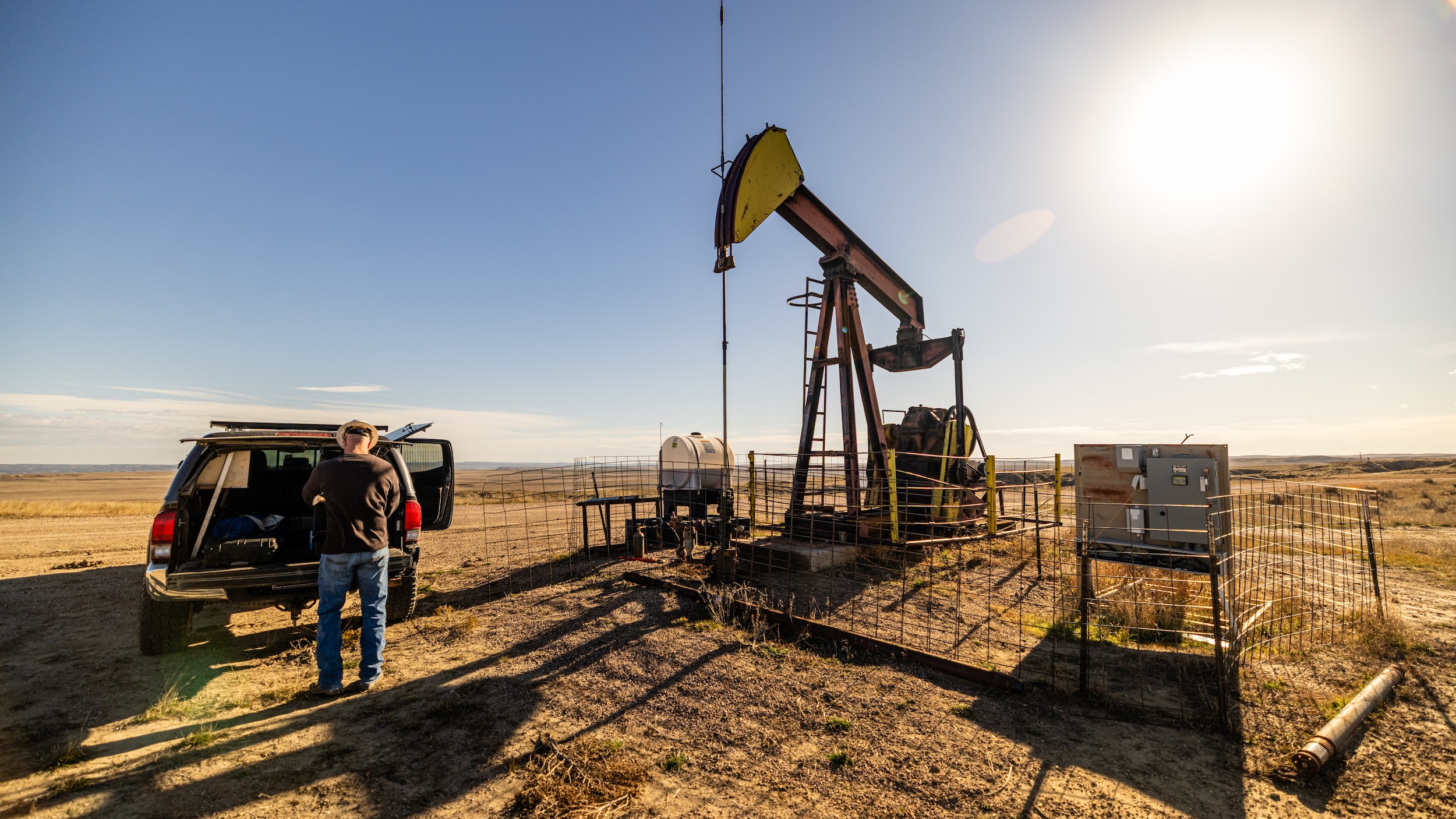
Every well is different, and choosing the right artificial lift system can determine whether you achieve stable production or constant downtime. Here’s how to match the lift method to your well’s conditions.


Dec 1, 2025
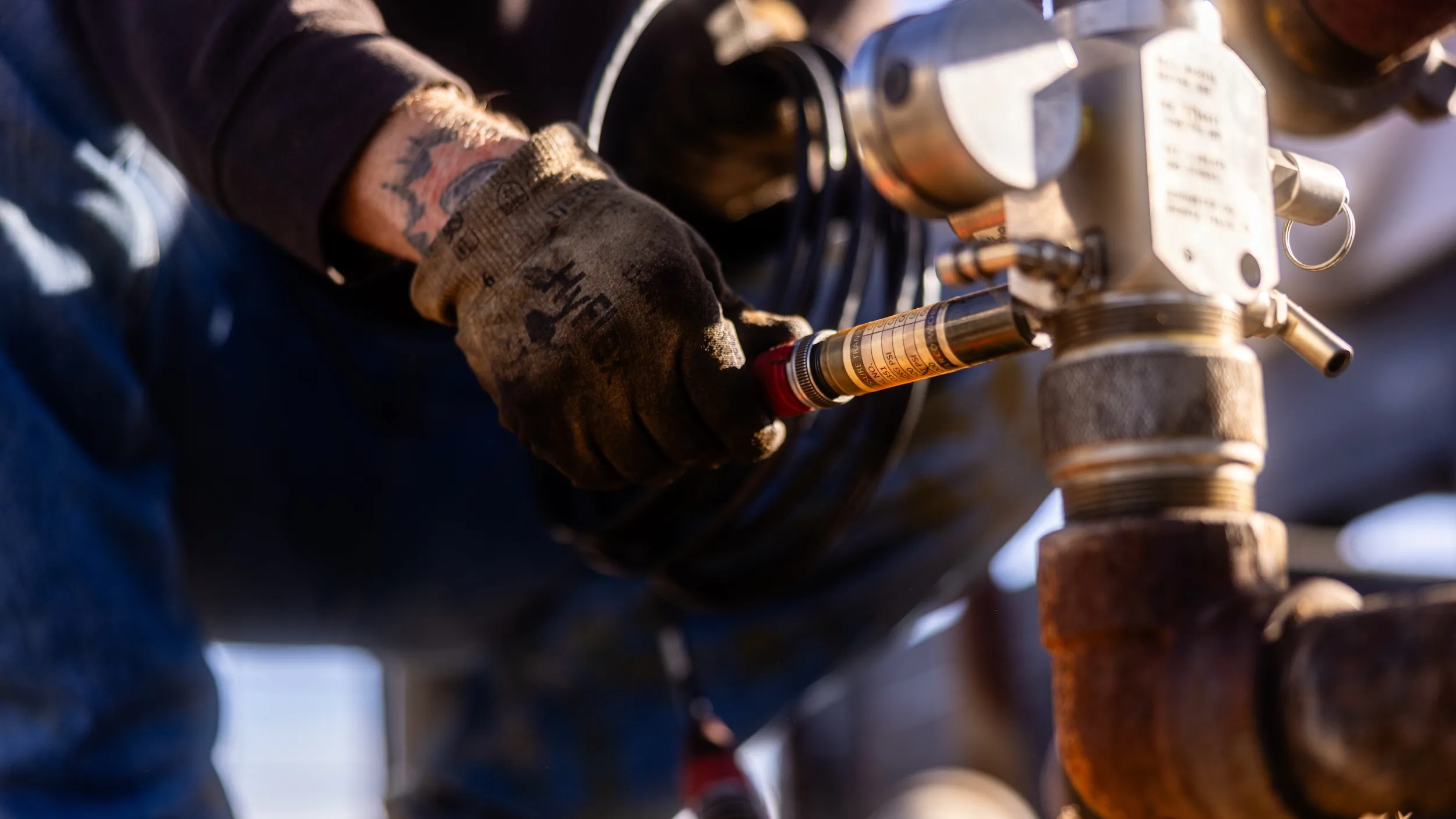
Rod and tubing issues often start small but quickly turn into costly failures. Knowing the early warning signs can help you prevent downtime, protect equipment, and keep production steady.



Who We Are
About
Services


WEC Connection
Copyright © Well Energy Services