


Sep 17, 2026
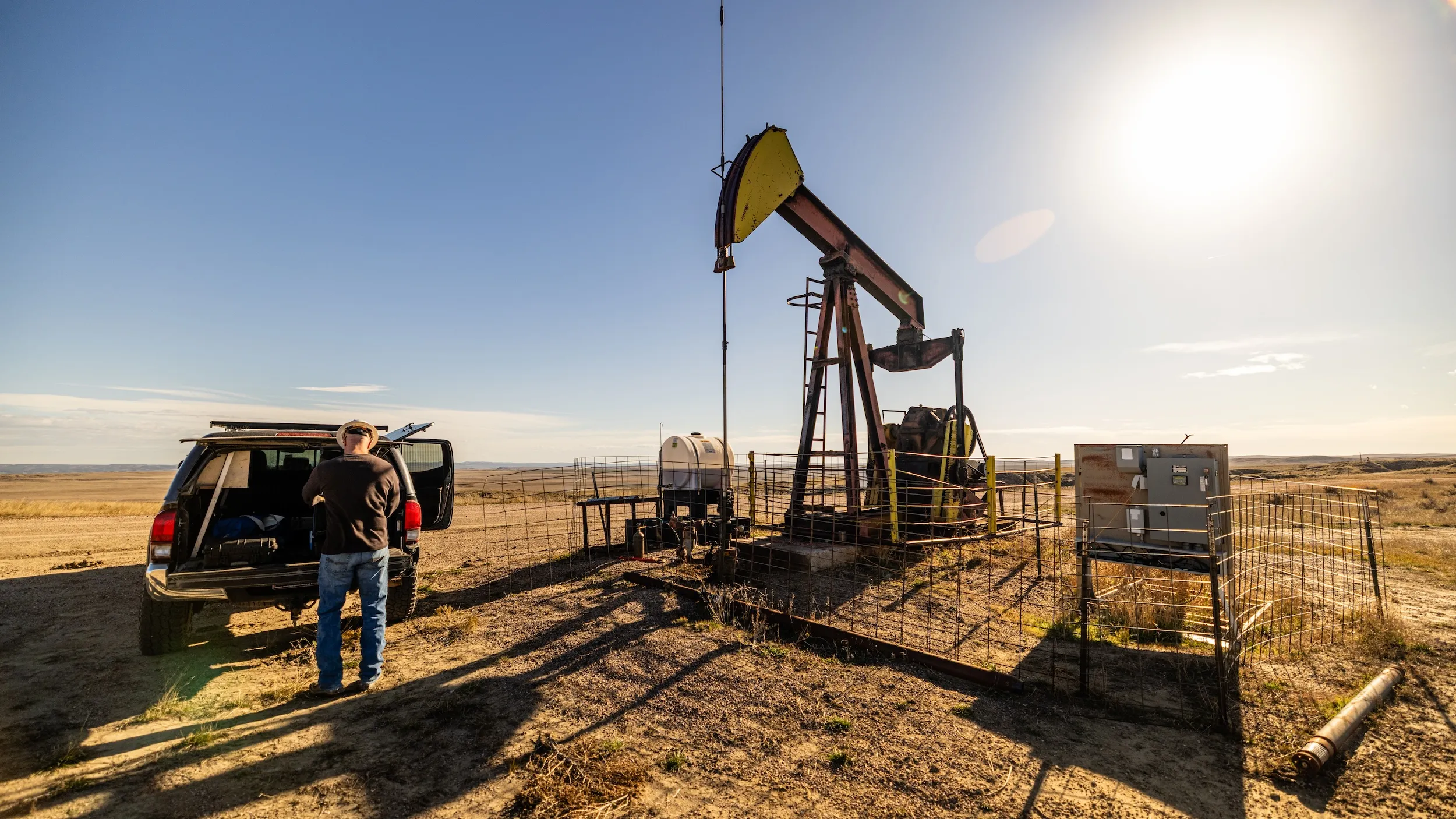
Fluid-level shots are one of the fastest and most cost-effective ways to understand what’s happening inside a well. By analyzing the acoustic trace, pump-intake depth, gas/liquid interface, and returning echoes, operators can identify performance problems long before they cause major failures. When used properly, fluid-level diagnostics can help improve production, prevent downtime, and guide smarter well management decisions.
What a Fluid-Level Shot Actually Measures
A fluid-level shot—also called an acoustic trace—works by sending a pressure pulse down the casing. As the pulse travels, it reflects off collars, gas sections, the liquid level, and sometimes the pump itself. By analyzing these echoes, we can build a picture of what’s happening inside the well without pulling tubing or interrupting production.
Here’s what the test tells you:
- The actual liquid level inside the casing
- Depth to the gas/liquid interface
- Pump-intake depth and distance to load fluid
- Collar count and casing conditions
- Presence of gas-lock or gas interference
- Whether intake restrictions or friction effects are present
This makes fluid-level shots one of the most useful first-look diagnostic tools for any artificially lifted well.
Why Fluid-Level Diagnostics Matter
Your pump can only do its job if it has the access it needs to fluid. When the intake sits in gas, liquid flows poorly or not at all—and production suffers. Fluid-level diagnostics reveal whether your well’s inflow matches what the pump is trying to lift.
Key operational benefits include:
- Preventing gas-lock
- Identifying recharge problems
- Confirming workover effectiveness
- Monitoring well health over time
- Improving long-term production planning
Operators use fluid-level shots as both a troubleshooting tool and a long-term surveillance method because they can be performed quickly with minimal downtime.
What a Fluid-Level Shot Doesn’t Tell You
While fluid-level tests give valuable information, they do have limitations. Understanding what they cannot detect helps operators avoid misinterpretation and wasted effort.
A fluid-level shot does NOT directly show:
- Exact rod or tubing condition
- Plunger wear
- Valve leakage
- Barrel scoring
- Parted rods or separated sections
- Downhole pump spacing
These issues often require pump-card diagnostics, rod/tubing inspections, or pump troubleshooting to verify.
Combining Fluid-Level Data With Pump-Card Analysis
The real power comes when acoustic data is paired with a dynamometer or pump-card reading. Together, these diagnostics reveal both:
- What’s happening above the pump (fluid level, gas/liquid interface), and
- What’s happening inside the pump (valve movement, plunger compression, fillage).
This combination allows us to confirm whether poor performance is caused by the reservoir, the pump, or wellbore mechanics.
Common Problems You Can Detect With a Fluid-Level Shot
Gas-lock or Gas Interference
If the pump intake is sitting in gas instead of fluid, the pump can lose compression and stop moving liquid. Acoustic traces make this easy to confirm.
Intake Restrictions
If fluid is slow to recharge, the fluid level may fall below the intake during strokes. This shows up clearly in acoustic behavior.
Poor Inflow or Reservoir Issues
A rising fluid level while producing can signal that the well isn’t pulling down properly or that formation pressure is declining.
When to Perform a Fluid-Level Shot
- After workovers or spacing changes
- When production suddenly drops
- When gas-lock or erratic pump fillage is suspected
- To track long-term well performance
- During routine monthly surveillance on critical wells
Final Thoughts
A fluid-level shot is one of the simplest and most powerful tools an operator can use to understand a well. When combined with other diagnostics, it provides a full picture of well health—helping prevent failures, stabilize production, and maximize efficiency.


Feb 26, 2026
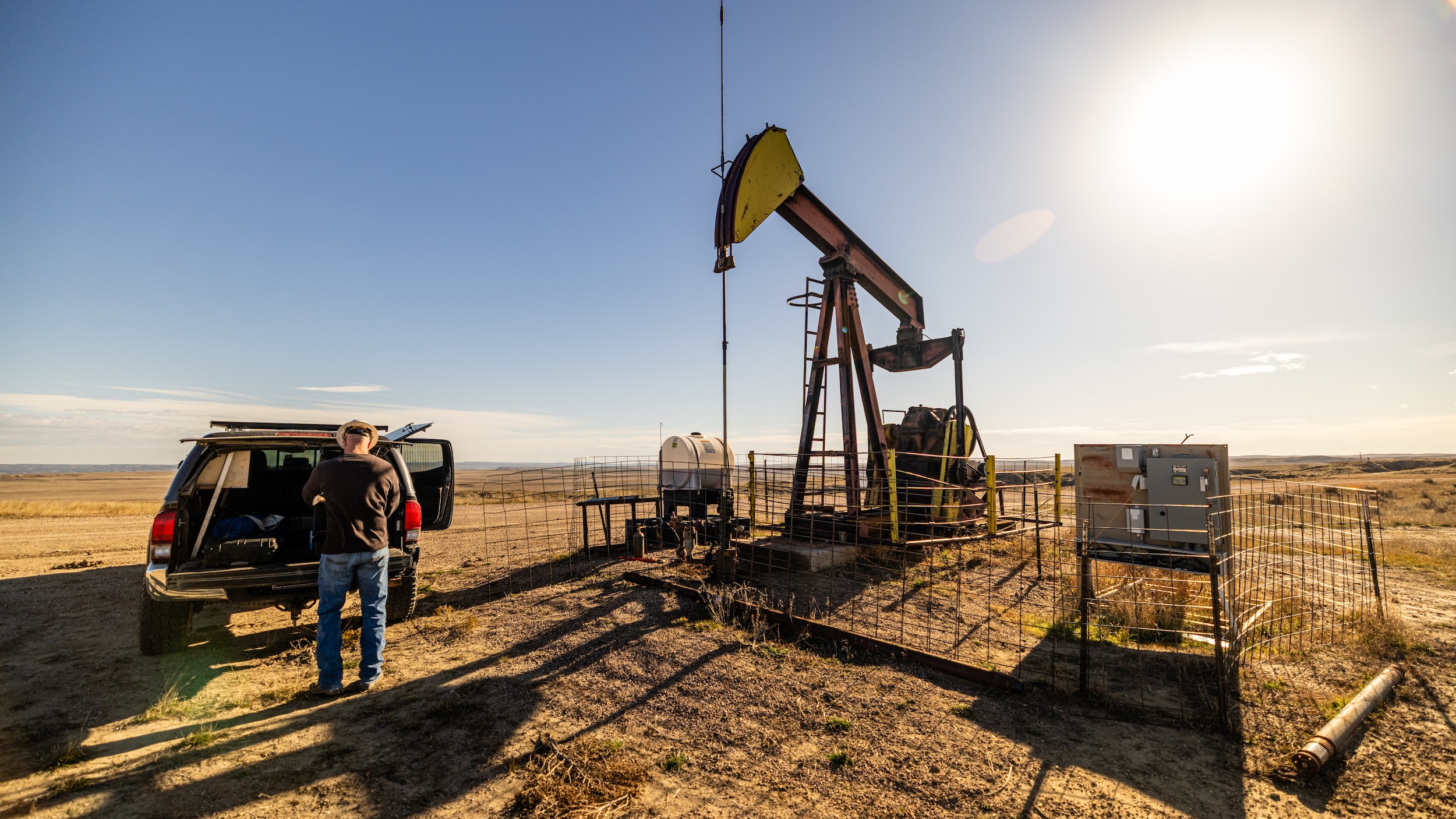
Every well is different, and choosing the right artificial lift system can determine whether you achieve stable production or constant downtime. Here’s how to match the lift method to your well’s conditions.


Dec 1, 2025
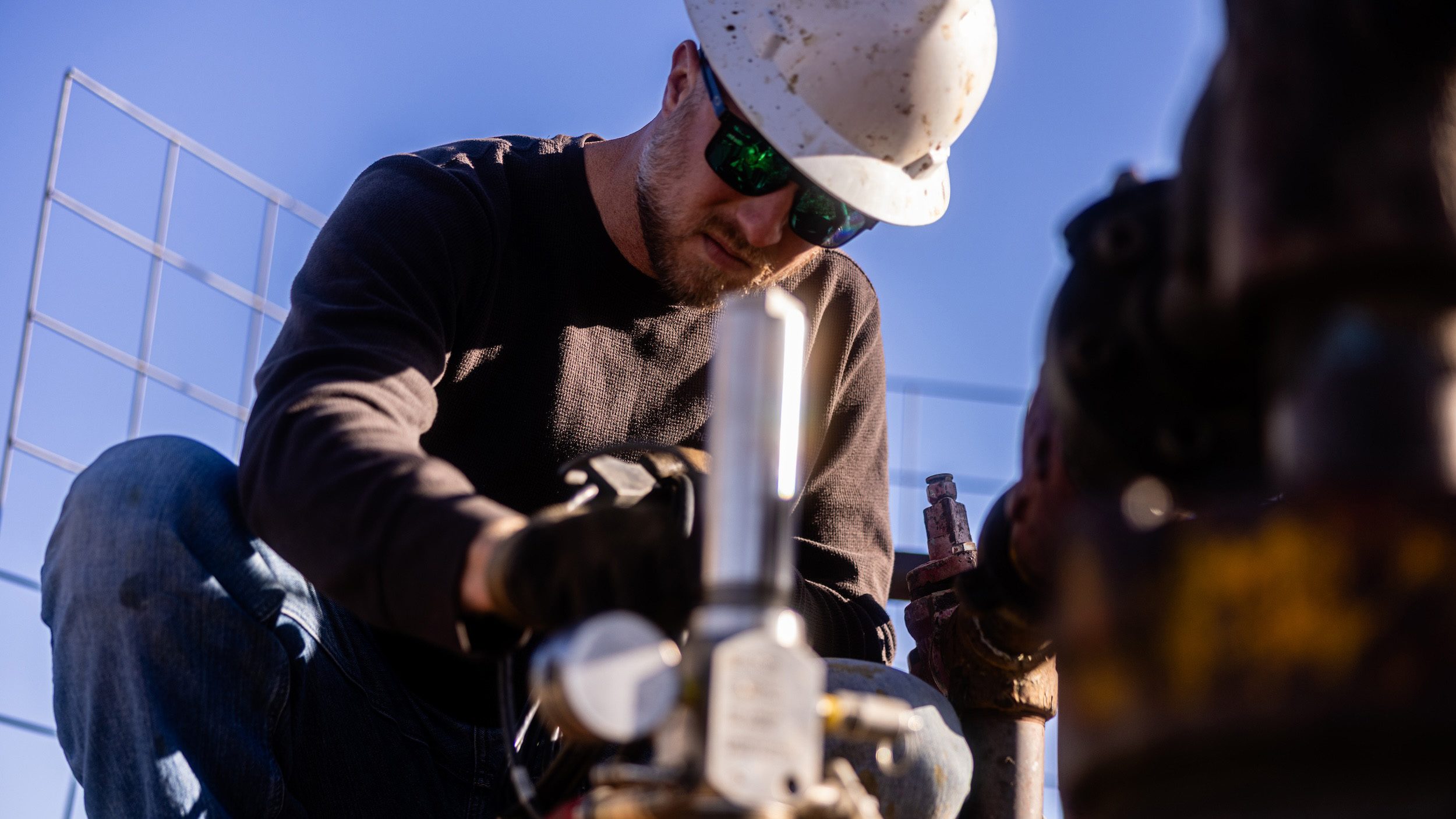
Many pump problems can be diagnosed without pulling rods or tubing. With the right surface-level diagnostics, operators can identify valve failures, plunger issues, gas interference, and spacing problems quickly and accurately.



Who We Are
About
Services


WEC Connection
Copyright © Well Energy Services